


On Coherence, Power, and the Things We Pretend Not to See
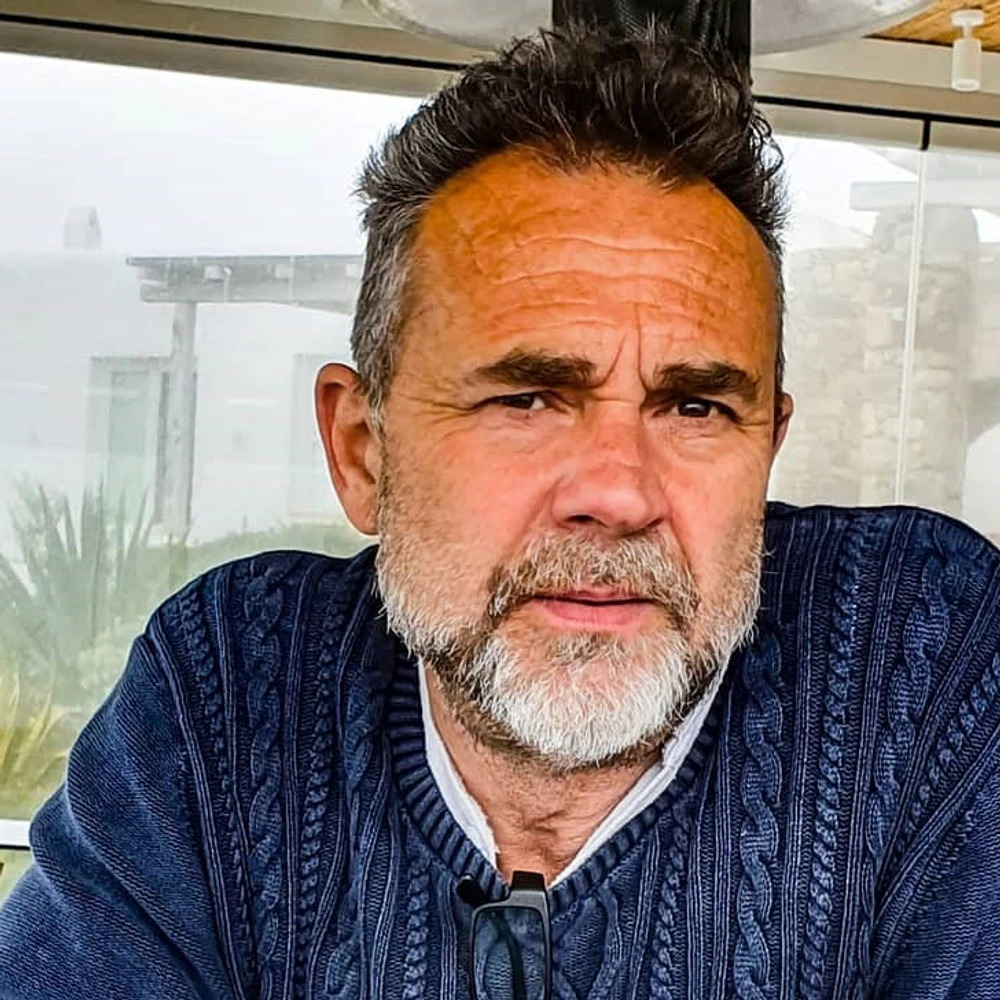
People often ask what sits behind my work.
Whether it’s Buaidh, Pavement to Profit, The 4 Horsemen, or The Tinderdale Legend, the assumption is usually that these are separate projects — fiction here, hospitality there, philosophy somewhere in the background.
They aren’t.
They are different expressions of the same way of seeing the world.
I Start With Observation, Not Theory
I’m not a system-builder in the academic sense, and I’m not interested in ideology. I don’t begin with how things should be. I begin with how people actually behave — especially when they are under pressure, being watched, or quietly aligning with others.
That puts me closer to thinkers like William James, Carl Jung, and René Girard than to modern motivational or managerial thinking.
Like them, I trust experience over doctrine.
But there’s a key difference.
I don’t ask “Is this good?”
I ask “Is this real?”
Morality comes later — if it comes at all.
Psychology First, Ethics Second
At the core of my thinking is a simple belief: you can’t judge what you don’t understand.
That’s why my work is psychological before it is moral.
I’m interested in:
how groups form coherence without instruction
how desire spreads through proximity rather than intention
how institutions respond when something aligns outside their control
This is where I intersect with Michel Foucault and Hannah Arendt, but I diverge in one crucial way.
Power doesn’t intervene because something is wrong.
Power intervenes because something has become visible.
Wrongdoing is secondary. Recognition is primary.
Coherence Is What Triggers Attention
Across all my work, there’s a recurring moment:
the moment a coherent unit is noticed.
In The 4 Horsemen, institutions don’t step in because of crime — they step in because alignment has become legible.
In Pavement to Profit, organisations don’t struggle because service is poor — they struggle because someone notices an experience has coherence they don’t control.
In Tinderdale, the Light doesn’t fear darkness. It fears alignment outside sanctioned myth.
This isn’t paranoia. It’s pattern recognition.
Systems tolerate almost anything except ungovernable unity.
Asymmetry Is the Real Source of Power
I return again and again — often unconsciously — to asymmetry:
asymmetry of knowledge
asymmetry of perception
asymmetry between how things are and how they are described
This places me in quiet conversation with Friedrich Nietzsche and Martin Heidegger, but my interest is less abstract.
I care about operational asymmetry:
who sees first
who names first
who is forced to respond
That’s why thresholds matter so much in my work — arrival, first contact, first article, first rumour, first intervention.
The moment something crosses from felt to named, everything changes.
I Don’t Believe in the Lone Hero
This is where people often misread me.
I’m not interested in individual heroics. I don’t believe the individual is the primary unit of meaning.
I believe in formations.
That aligns me more with Aristotle than with modern individualist psychology — but with a harder edge.
A unit is not ethical by default. A unit is effective by default.
Ethics arrive later, usually under pressure.
That’s why, in my work:
people act before they justify
love stabilises rather than redeems
sex is present but rarely central
discretion matters more than confession
What I Actually Believe
Stripped back, this is what underpins everything I do:
Most people aren’t lying — they’re unaware
Institutions aren’t evil — they’re afraid
Power doesn’t hate disruption — it hates unaccountable coherence
Love is not primarily romantic — it is stabilising
Visibility is more dangerous than action
Being seen acting together invites distortion
Silence often preserves truth better than explanation
I distrust:
performative morality
compulsory transparency
sentimental storytelling
I value:
pattern recognition
restraint
timing
discretion
What Drives Me
I’m driven by a need to articulate what many people sense but few are allowed to say.
Not to shock. Not to provoke. Not to tear systems down.
But to name the rules we pretend don’t exist.
That’s why my work often feels calm even when it’s unsettling. I’m not trying to create chaos — I’m trying to clarify it.
In Plain Terms
If I had to describe my thinking in one sentence, it would be this:
I am interested in how coherent human units form, how they are recognised, and how power responds — and in why discretion, not defiance, determines whether they survive.
Everything I build — in fiction, hospitality, or philosophy — flows from that.
Comments